

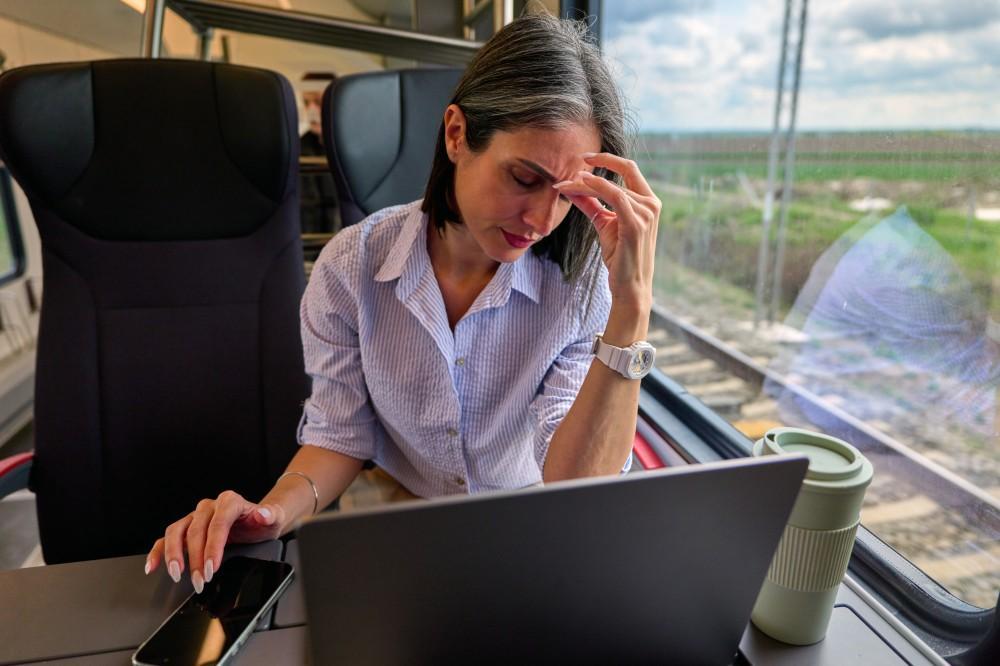
5 Great Tips for Coping With Menopause Symptoms While Traveling
Managing menopause from the comforts of your home is one thing, but managing it while traveling is another. Here are some great ideas for women dealing with menopause when traveling.
As millions of American women deal with the side effects of menopause — more than 2 million women in the US enter menopause each year — many feel blindsided due to a lack of information about this topic.
Although menopause touches the lives of most women who reach their 50s and beyond, there’s been historically little education about menopause, leaving many women to suffer in silence.
Dr. Chetanna Okasi and the team at Women’s Wellness MD shine a spotlight on menopause, especially its considerable effects on sexual health.
If you feel alone with all the changes in your body and are wondering what’s normal and what isn’t when it comes to your sexual health, read on.
One of the more direct and obvious side effects of menopause is a decline in vaginal tissue health.
The reproductive hormones in your body — estrogen, progesterone, and testosterone — oversee many functions, including keeping your vaginal tissues in good health for intercourse and childbirth.
After menopause, these resources dry up, and your vaginal tissues can too — at least half of women report vaginal dryness after menopause.
However, this issue extends beyond lubrication and also involves thinning vaginal tissues. In fact, these side effects are so common that we now refer to them collectively as genitourinary syndrome of menopause (GSM).
Lastly, menopause can change the pH balance and bacterial flora of your vaginal environment, which can cause itching.
These changes can also make you more susceptible to yeast infections, which can increase discomfort.
Between thinning vaginal tissues, itchiness, and dryness, it’s no wonder that GSM can impact your sex life.
Menopause can also derail your sex life, as many women are dealing with changes that disrupt their lives, often forcing sex to the back burner.
For example, night sweats are robbing you of much-needed sleep. When this happens, you might not be as interested in sex as you are in getting a good night’s rest.
Many women often report not feeling all that sexual thanks to the seemingly never-ending changes in their bodies, which include looser skin, less muscle, and more fat. As a result, many women feel like strangers in their own bodies, which can make sex feel foreign, as well.
And all of this can wreak havoc on your sex drive.
There are two important points we want to make about menopause and your sex life. First, whatever’s happening with your sex life, you’re not alone, and millions of women are going through the same thing.
Second, solutions are available for many of the issues we outline above. We’re alarmed by the fact that up to 90% of women don’t seek help for issues like vaginal dryness, even though easy solutions exist.
For example, using a topical estrogen cream around your vagina can restore tissue health and relieve itching and dryness. Or, more systemic hormone replacement therapies (HRTs) can help relieve many of the side effects of menopause, including your sexual health.
Plenty of lifestyle tips can help you deal with the changes in your body.
If you want to take back control of your sex life, discussing HRT with us is a great first step. To get started, schedule an appointment today by calling one of our offices in Columbia or Greenbelt, Maryland, or by using our online booking feature.


